
10 Types of Press Tool Operations: A Complete Guide for Manufacturers
Here are 10 essential press tool operations that power modern manufacturing:
1. Blanking
Blanking cuts out a flat shape (blank) from sheet metal.
The blank becomes the finished part or is used for further processing.
- Produces precise part outlines
- Minimizes burrs and edge defects
- High repeatability
Common parts: washers, discs, gears, decorative components
Industries: automotive, aerospace, electronics
2. Piercing
Piercing punches holes or shapes into sheet metal.
- Produces circular and non-circular holes
- Often combined with progressive die stamping
- Increases efficiency by eliminating secondary drilling
Common parts: ventilation holes, fastener locations, electrical cutouts
Industries: HVAC, appliances, control panels
3. Shearing
Shearing cuts sheet metal along straight lines or defined shapes.
- Prepares blanks for other operations
- Trims edges and cuts materials to size
- Supports high-precision sheet preparation
Industries: metal fabrication, industrial equipment, aerospace
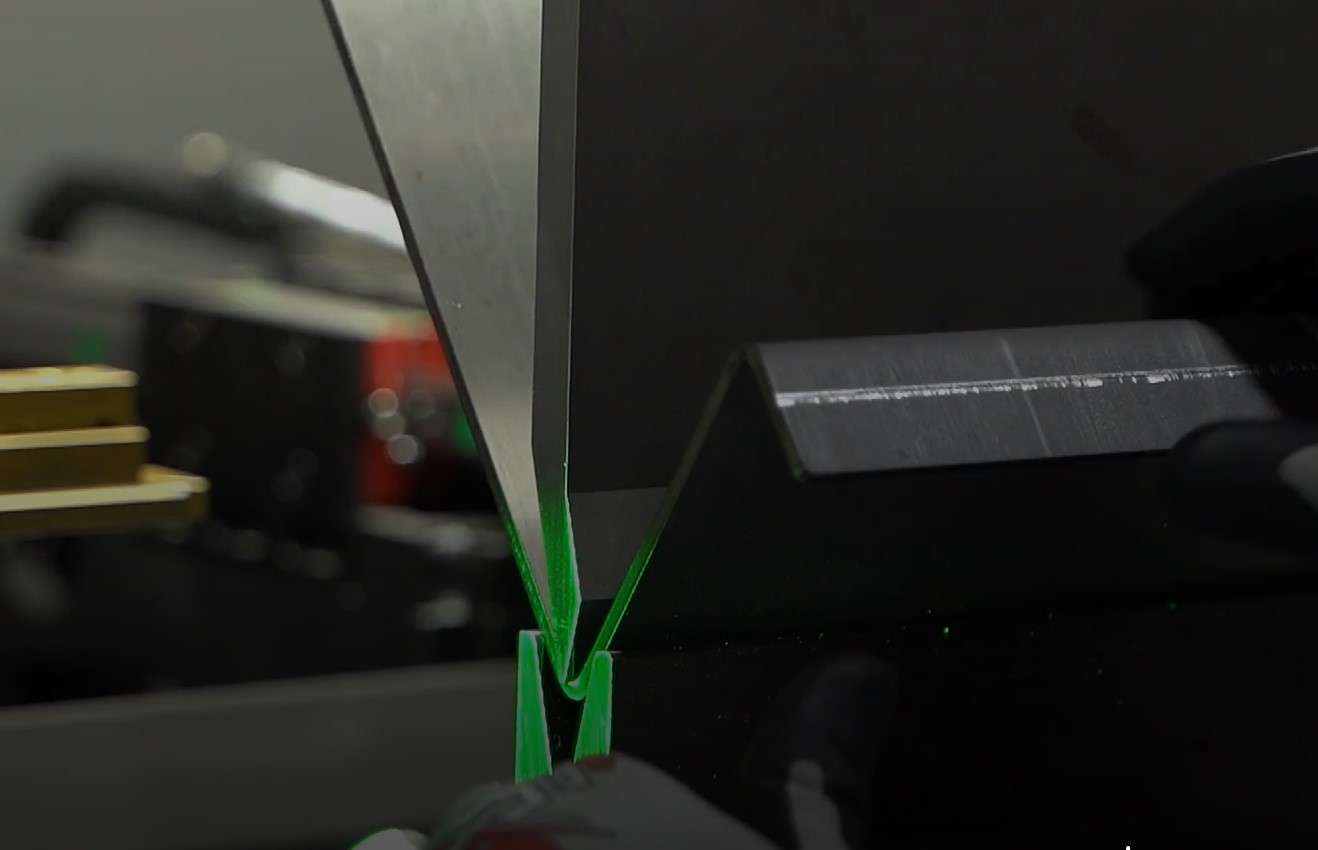
4. Bending
Bending deforms sheet metal along a straight axis.
- Creates angles, flanges, channels
- Critical for structural and enclosure components
- Achieves consistent bend radii and tolerances
Common parts: brackets, chassis, enclosures
Industries: electronics, appliances, automotive
5. Drawing
Drawing pulls metal into a deeper, three-dimensional shape.
- Produces seamless cups, boxes, enclosures
- Deep drawing achieves significant depth without rupture
- Often eliminates welding or assembly steps
Common parts: auto body panels, kitchen sinks, electronic housings
Industries: automotive, consumer products, appliances
6. Forming
Forming reshapes sheet metal without cutting it.
- Includes embossing, flanging, coining, curling
- Adds structural or decorative features
- Improves part strength and function
Common parts: decorative trim, stiffened panels, reinforced features
Industries: electronics, appliances, industrial controls
7. Coining
Coining applies high pressure to refine features.
- Creates fine details, sharp edges, and smooth finishes
- Produces precision logos, text, and intricate patterns
- Increases dimensional accuracy
Common parts: connectors, washers, decorative parts
Industries: electronics, medical devices, consumer products
8. Embossing
Embossing raises or depresses portions of sheet metal.
- Adds logos, branding, textures, or functional features
- Improves stiffness and visual appeal
- Often combined with progressive die stamping
Common parts: nameplates, branding elements, structural embossments
Industries: enclosures, appliances, aerospace
9. Notching
Notching removes material from sheet metal edges or interiors.
- Prepares edges for joining, assembly, or clearance
- Enables snap fits and mechanical fastener access
- Increases design flexibility
Common parts: structural assemblies, HVAC ducting, frames
Industries: construction, industrial equipment, automotive
10. Lancing
Lancing creates cuts that form attached tabs or louvers.
- Forms ventilation louvers or snap-fit tabs in one operation
- Reduces need for secondary assembly
- Adds functionality with minimal added cost
Common parts: HVAC panels, lighting fixtures, enclosures
Industries: HVAC, electronics, lighting, appliances
Key Factors to Consider
When selecting press tool operations, consider:
✅ Part complexity and geometry
✅ Material type and thickness
✅ Tolerances and surface finish requirements
✅ Production volume and cycle times
✅ Tooling investment and lead time
✅ Need for secondary operations (deburring, plating, assembly)
Fox Valley Stamping can help you evaluate these factors to choose the optimal solution for your project.
Applications and Industries That Benefit
Press tool operations drive production excellence across industries:
-
Automotive: body components, fasteners, clips
-
Aerospace: lightweight structures, precision components
-
Medical devices: housings, surgical parts, instruments
-
Consumer appliances: covers, frames, decorative parts
-
Industrial equipment: guards, enclosures, machine components
-
Electronics: connectors, EMI shielding, chassis parts
FAQ: Press Tool Operations
What is the difference between blanking and piercing?
Blanking removes a full shape from sheet metal, creating the part. Piercing creates holes or cutouts within the part.
When should I use deep drawing vs. forming?
Choose deep drawing for parts requiring significant depth (cups, boxes). Use forming for adding shallow features like flanges or embossed details.
What tooling lead times should I expect?
Simple tools can be ready in 2–4 weeks. Complex progressive dies or deep drawing dies may require 8–12 weeks. Early collaboration helps reduce lead time.
Can multiple operations be combined?
Yes. Progressive die stamping combines multiple operations in one tool, improving efficiency and reducing costs.
Which industries benefit most from precision metal stamping?
Automotive, aerospace, medical, electronics, consumer products, and industrial equipment manufacturers rely heavily on press tool operations for cost-effective, high-volume production.
Partner with Fox Valley Stamping
Fox Valley Stamping delivers expert metal fabrication services, optimized press tool operations, and collaborative engineering support to help manufacturers:
✅ Improve product quality and precision
✅ Reduce production costs
✅ Shorten lead times
✅ Achieve scalable high-volume production
From progressive die stamping to deep drawing and complex forming, we help you choose the right solution for your unique application.
👉 Contact Fox Valley Stamping today to request a quote, schedule an engineering consultation, or discuss your next project.
Fox Valley Stamping provides precision metal fabrication, advanced press tool operations, and expert engineering support for manufacturers across automotive, aerospace, medical, electronics, and industrial markets. Learn more about our services »