
From Flat Sheet to Finished Part: How Integrated CNC Laser Cutting, Short Run Stamping, and Fabrication Reduce Total Manufacturing Cost
Spring is when OEM production schedules lock in.
Engineering finalizes revisions. Purchasing secures suppliers. Operations teams push to reserve capacity before summer lead times tighten.
One of the most underestimated cost drivers in sheet metal manufacturing isn’t raw material or labor.
It’s fragmentation.
When laser cutting, stamping, forming, welding, and finishing are split across multiple vendors, cost increases quietly — through freight, rework, scheduling gaps, and tolerance misalignment.
At Fox Valley Stamping, CNC laser cutting, short run stamping, and metal fabrication operate under one coordinated system. Family owned and operated since 1965, with all materials sourced and manufactured in the USA, production is structured around precision, accountability, and long-term OEM support.
The result is lower total cost of ownership — not just competitive piece pricing.
What Integrated Manufacturing Actually Means
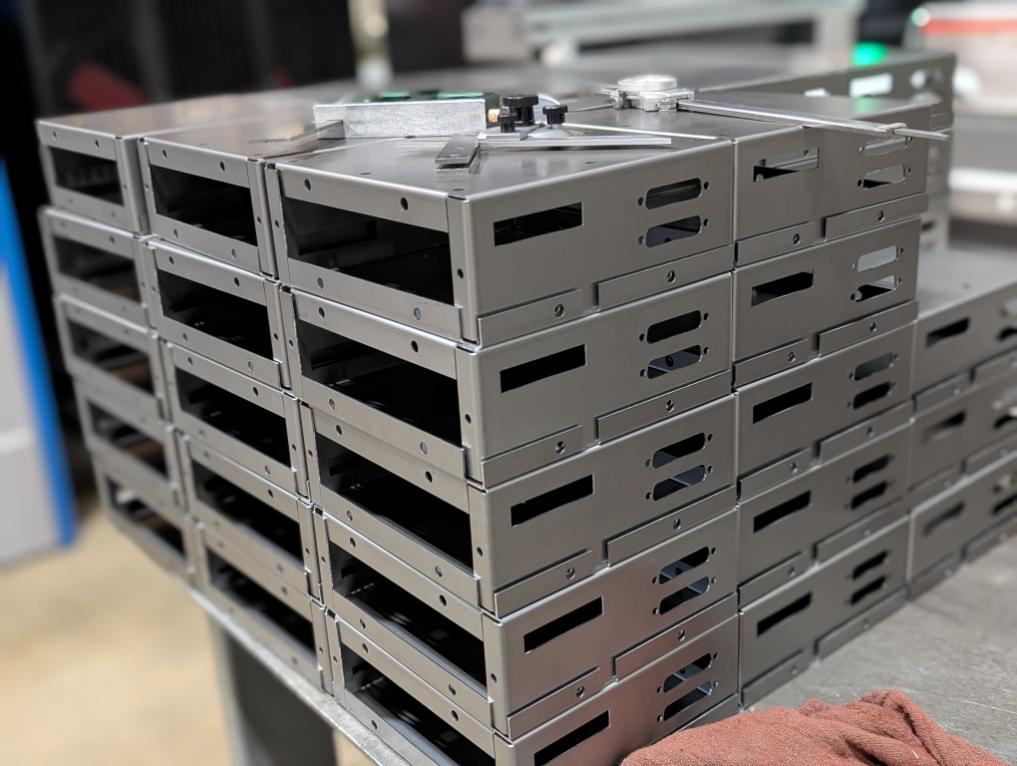
Integrated CNC laser cutting and fabrication means your part moves from flat sheet to finished component without leaving the facility.
That includes:
- CNC fiber laser cutting
- Short run metal stamping
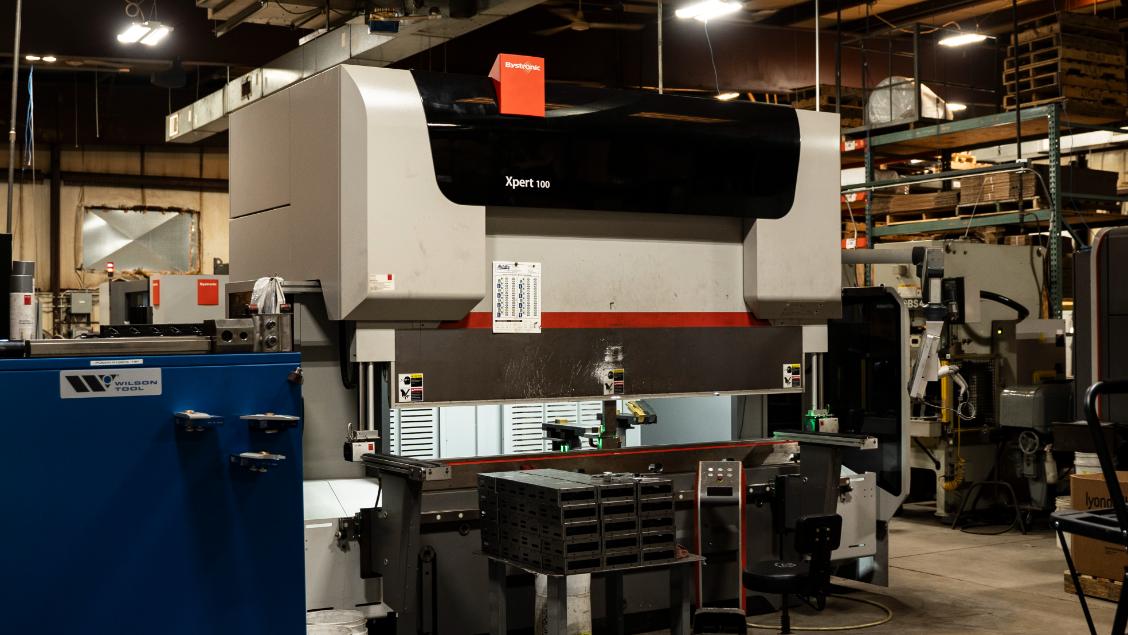
- Precision press brake forming
- Hardware insertion
- Welding and assembly
- Secondary finishing
Laser cutting provides speed and flexibility.
Short run stamping supports repeat geometries or formed features where light tooling improves efficiency without committing to full progressive dies.
Because these processes are coordinated internally, bend allowances, stamped features, material behavior, and assembly requirements are engineered together — not corrected after the fact.
That coordination is where cost reduction happens.
Where Multi-Vendor Manufacturing Creates Hidden Costs
On paper, splitting vendors may look economical.
In production, problems appear.
A common example:
Parts are laser cut to print at one facility. They’re shipped elsewhere for forming. The forming vendor uses standard bend assumptions without knowing how the original profile was programmed. Hole alignment shifts slightly. Assemblies require slotting or adjustment.
No single vendor made a mistake.
But no one owned the full outcome.
Integrated manufacturing eliminates that gap.
Five Measurable Ways Integration Reduces Total Cost
- Freight and Handling Are Minimized
Every transfer between facilities adds:
- Shipping cost
- Repackaging labor
- Damage risk
- Scheduling delay
Keeping cutting, stamping, forming, and welding in one facility removes those compounding expenses.
- Tolerance Stack-Up Is Controlled
When laser cutting, short run stamping, and forming are engineered together:
- Bend radii are calculated with final assembly in mind
- Springback is anticipated
- Stamped features align with formed geometry
- Weld distortion is planned for
This reduces scrap, rework, and downstream fitment issues.
- Lead Times Shorten
Laser cutting requires no hard tooling.
Short run stamping uses minimal tooling investment.
Together, they provide flexibility for:
- Low-to-mid volume production
- Replacement parts
- Design revisions
- Seasonal demand increases
When fabrication follows immediately in-house, production flows without waiting in another vendor’s queue.
Spring ramp-ups benefit most from this agility.
- Engineering Changes Move Faster
Revisions are part of manufacturing reality.
With multiple vendors:
- Drawings are redistributed
- Quotes are revised
- Schedules are renegotiated
With integrated production:
- Programming updates stay internal
- Forming and stamping adjustments align quickly
- Accountability remains centralized
That responsiveness protects launch timelines.
- Purchasing Complexity Is Reduced
One supplier means:
- One PO
- One invoice
- One quality system
- One point of accountability
For procurement teams managing multiple SKUs, simplification reduces administrative friction and risk.
When Laser Cutting Is the Right Primary Process
CNC laser cutting is ideal when:
- Tooling investment isn’t justified
- Volumes fluctuate
- Tight turnaround is required
- Material thickness varies
- Prototyping transitions into production
Short run stamping becomes valuable when:
- Repeated features benefit from light tooling
- Formed geometries are consistent
- Volume supports incremental efficiency gains
Process selection should match the application — not the equipment preference.
That’s the advantage of integration.
Industries That Benefit from Integrated Fabrication
Fox Valley supports OEMs across sectors where precision and durability are non-negotiable:
- Medical equipment requiring strict dimensional reliability
- Electronics assemblies demanding intricate profiles
- Agricultural components exposed to harsh field conditions
- Industrial machinery requiring structural strength
- Replacement parts for obsolete equipment
- Detention facility doors, frames, and security hardware
- Pumps and meters used in water treatment and industrial systems
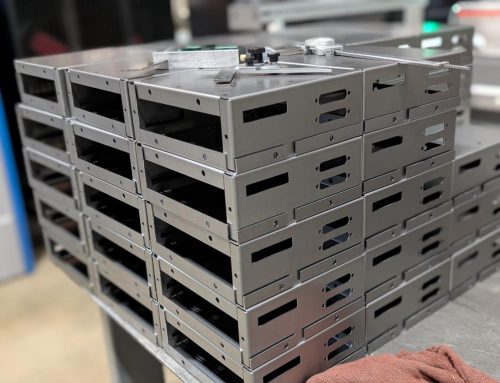
- Custom enclosures protecting sensitive equipment
- Consumer goods requiring function and finish
- Telecommunications infrastructure components
Across industries, the common requirement is consistency — and integration strengthens it.
Why Regional Manufacturing Matters More in 2026
Supply chain volatility has forced many OEMs to reevaluate offshore sourcing.
Working with a Midwest-based manufacturer operating since 1965 provides:
- Direct engineering collaboration
- Transparent scheduling
- Faster issue resolution
- American-sourced material assurance
- On-site accountability
That stability reduces production risk.
What to Submit for Faster Quoting
To accelerate accurate pricing:
- 3D CAD file (STEP preferred)
- Material specification
- Thickness
- Tolerance requirements
- Estimated annual volume
- Surface finish expectations
Clear information reduces quoting time and prevents downstream adjustments.
The Bottom Line
Integrated CNC laser cutting, short run stamping, and fabrication reduce more than visible part cost.
They reduce:
- Freight
- Rework
- Scheduling friction
- Administrative overhead
- Supply chain risk
When your part stays within one coordinated manufacturing system, total cost of ownership decreases — even if piece price alone doesn’t tell the full story.
Secure Your Q2 and Q3 Production Capacity
Spring is the planning window.
If you’re launching new products, sourcing replacement components, or evaluating vendors for upcoming production cycles, now is the time to reserve capacity before summer demand increases.
Fox Valley Stamping delivers integrated CNC laser cutting, short run stamping, and fabrication built for precision, responsiveness, and long-term OEM partnership.
Send your CAD files for review and secure your production schedule today.
Frequently Asked Questions
When should we choose CNC laser cutting instead of stamping?
Choose CNC laser cutting when you need fast turnaround, design flexibility, or low-to-mid volumes without tooling investment. It’s ideal for prototypes, revisions, and programs where parts may evolve.
Where does short run stamping fit into an integrated workflow?
Short run stamping is a smart add-on when repeat features benefit from light tooling—without committing to high-cost progressive dies. In an integrated shop, stamping and laser cutting are planned together so features still align after forming and assembly.
How does integrated fabrication reduce rework and scrap?
When cutting, stamping, forming, and welding are engineered together, bend allowances, springback, and weld distortion are accounted for earlier—reducing “it meets print but doesn’t assemble” problems.
Does using one shop actually reduce lead time?
Usually, yes. The biggest lead-time killers are vendor queues and shipping time between operations. One coordinated schedule removes those gaps and keeps work moving.
What do you need from us to quote faster and more accurately?
A STEP file (preferred), material and thickness, tolerance expectations, finish requirements, and estimated annual volume. Clear inputs reduce back-and-forth and prevent surprises later.
What types of parts benefit most from laser cutting + fabrication under one roof?
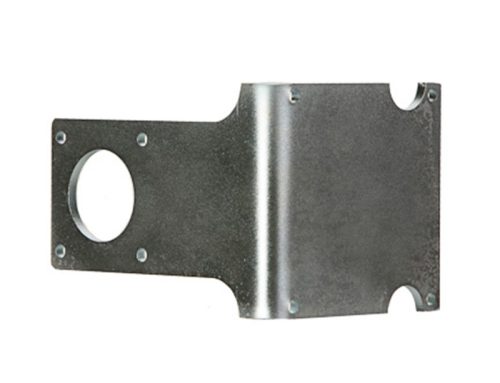
Enclosures, brackets, panels, guards, frames, welded assemblies, and replacement components—especially when fit-up and repeatability matter.
How do you prevent tolerance stack-up across multiple operations?
By engineering the cut profile, stamped features, and bend strategy together—so holes, slots, and mating features land correctly after forming and welding.
Why does USA-sourced material matter to OEMs?
It supports consistency and traceability, reduces supply uncertainty, and helps meet customer or program requirements.