
A Guide to Sheet Metal Fabrication
Finding the right sheet metal fabricator is essential to the success of any manufacturing project. Whether you’re working on a new product design or updating an existing part, a reliable fabricator can make all the difference. The best sheet metal partners do more than just follow blueprints—they bring experience, efficiency, and creative problem-solving to the table.
At Fox Valley Stamping, we’re committed to helping our customers create high-quality parts with precision and speed. Our team works closely with you to optimize design, reduce costs, and meet demanding timelines, no matter how simple or complex the job.
Types of Sheet Metal Fabrication
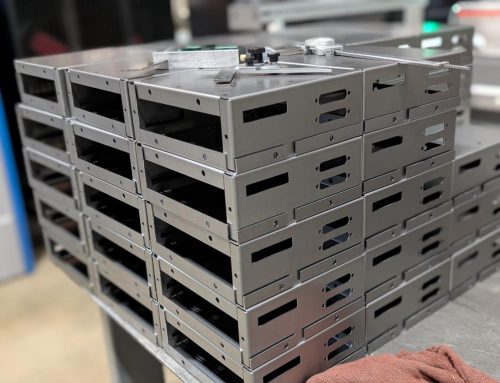
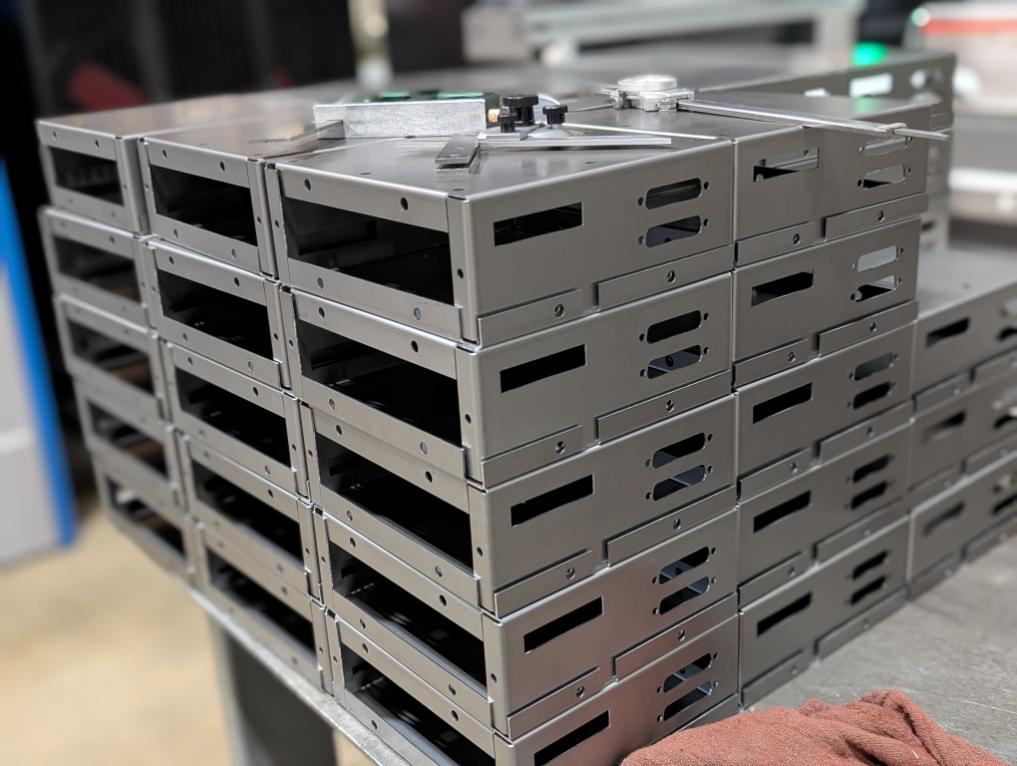
Sheet metal fabrication involves a variety of processes that transform raw metal into usable parts or components. Each process serves a specific function, and often, multiple techniques are used together to achieve the final result.
Cutting is one of the most common steps and can be done with tools like shears, waterjets, or high-powered laser cutters. Laser cutting offers unmatched precision and is ideal for complex shapes or tight tolerances.
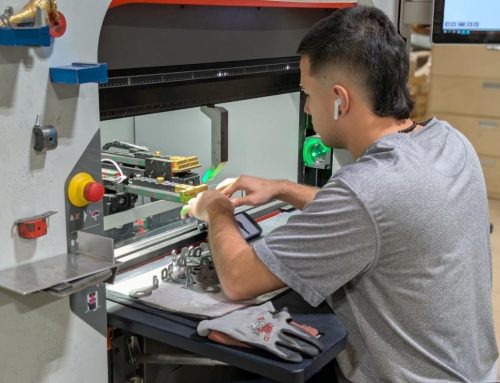
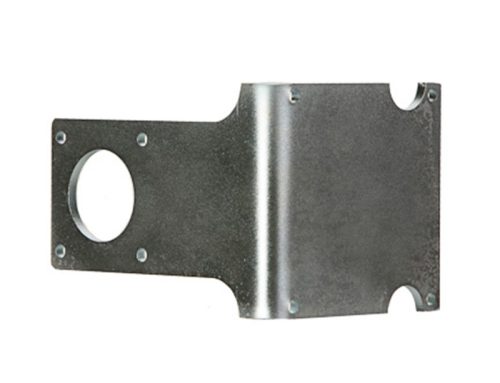
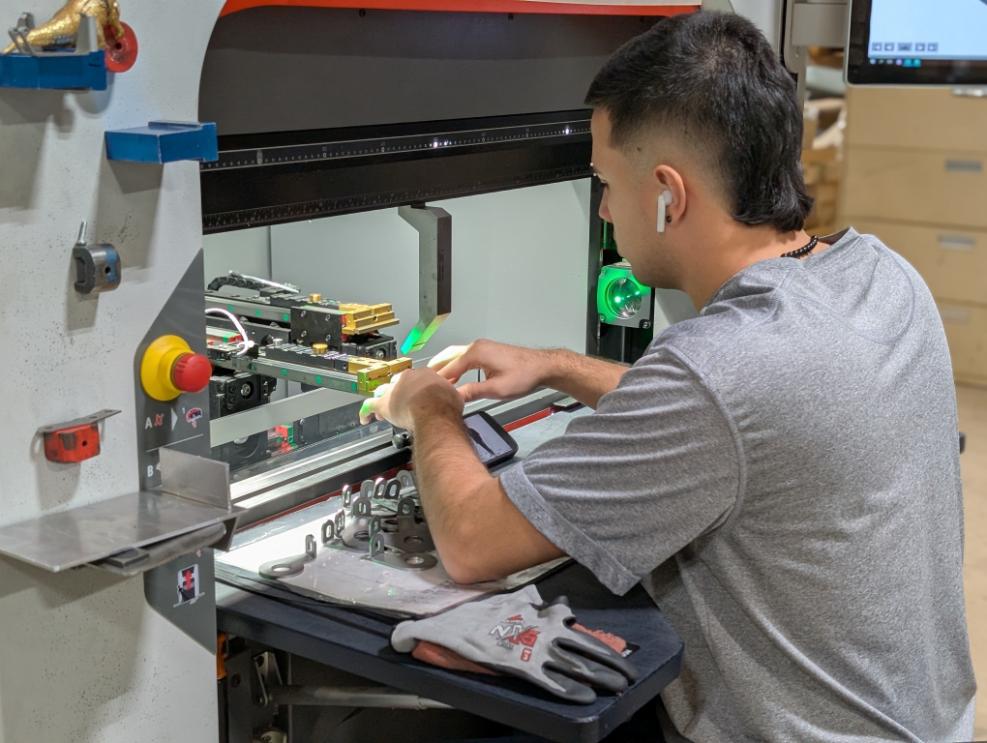
Bending is used to shape metal into angles or curves, typically done with a press brake. Accurate bending is critical for assembly and performance, especially in tight-fitting applications.
Welding joins two or more pieces of metal together. Depending on the project, different welding methods (MIG, TIG, spot welding) may be used for strength, aesthetics, or efficiency.
Other processes include spinning, which forms round shapes by rotating metal on a lathe, and forming/expanding, which reshape metal using dies, rollers, or specialized machines.
Each project may involve a combination of these techniques depending on design, quantity, and material.
Material Selection Matters
The type of metal you choose plays a huge role in how the part is made and how it performs. At Fox Valley Stamping, we work with a wide range of materials including aluminum, stainless steel, copper, brass, and even precious metals like gold or platinum for specialty components.
Different metals offer different properties:
- Aluminum is lightweight and corrosion-resistant.
- Stainless steel is strong, durable, and ideal for high-performance or sanitary environments.
- Copper has excellent electrical conductivity.
- Brass is corrosion-resistant and great for decorative applications.
Each material affects not only the fabrication process but also things like cost, weldability, and surface finish options.
Designing for Efficient Fabrication
Designing parts for fabrication involves more than just measurements—it’s about understanding how metal behaves during cutting, bending, and assembly.
Here are some best practices to follow:
- Hole spacing: Keep holes at least twice the thickness of the metal away from edges to prevent distortion.
- Bend relief: Add small cutouts near bends to prevent tearing during forming.
- Uniform wall thickness: Ensures consistent results during forming and bending.
- Simplify bends: The more complicated the shape, the more costly it becomes. A simple, standard bend radius saves time and money.
- Account for tolerances: Different materials expand, contract, and bend differently. Including tolerances in your design avoids surprises during production.
A skilled fabricator will help identify these issues early, ensuring your parts are optimized for manufacturing without sacrificing function.
Assembly Methods
Once the parts are shaped, they’re assembled using methods that match the function and durability needed:
- Welding: Strong and permanent, used for structural parts or components under stress.
- Riveting: Mechanical fasteners that hold pieces together, often used where welding isn’t ideal.
- Brazing and soldering: Lower-temperature methods for joining, often used for plumbing or electronics.
- Adhesives: For lightweight or specialty applications.
Each method is selected based on material, design, strength requirements, and budget.
Starting Your Project with Fox Valley Stamping
Sheet metal fabrication is used across industries like automotive, aerospace, electronics, medical devices, and more. At Fox Valley Stamping, we combine decades of experience with state-of-the-art technology to meet your needs.
Our capabilities include:
✅ Custom tooling and prototyping
✅ CNC LASER cutting and precision bending
✅ Short-run stamping and large-scale production
✅ Quick turnaround times and on-time delivery
✅ Collaborative design assistance
Whether you’re building your first prototype or scaling up production, we’re here to help every step of the way. Let’s build something great together. Contact Fox Valley Stamping today to request a quote or discuss your next custom sheet metal fabrication project.