
Laser Cutting vs Stamping Cost: What Actually Impacts Price in Sheet Metal Fabrication
Cost is one of the first questions in sheet metal fabrication—but it’s often misunderstood.
It’s not just about price per part. It’s about how a part is produced from start to finish.
At Fox Valley Stamping, we evaluate each part and recommend the most efficient production method based on design, material, and how the part will be made over time.
Laser cutting typically has no upfront tooling cost and is ideal for flexible or low-volume production. As part designs become finalized and production quantities grow, short-run stamping can provide a more economical manufacturing solution. Total cost depends on the full fabrication process—not just one step.
How Sheet Metal Parts Are Actually Produced
Sheet metal parts start as flat material and must be cut before anything else can happen.
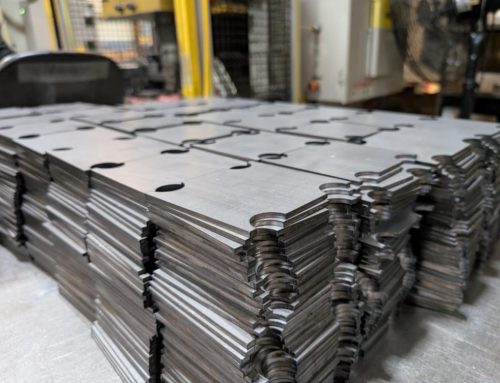
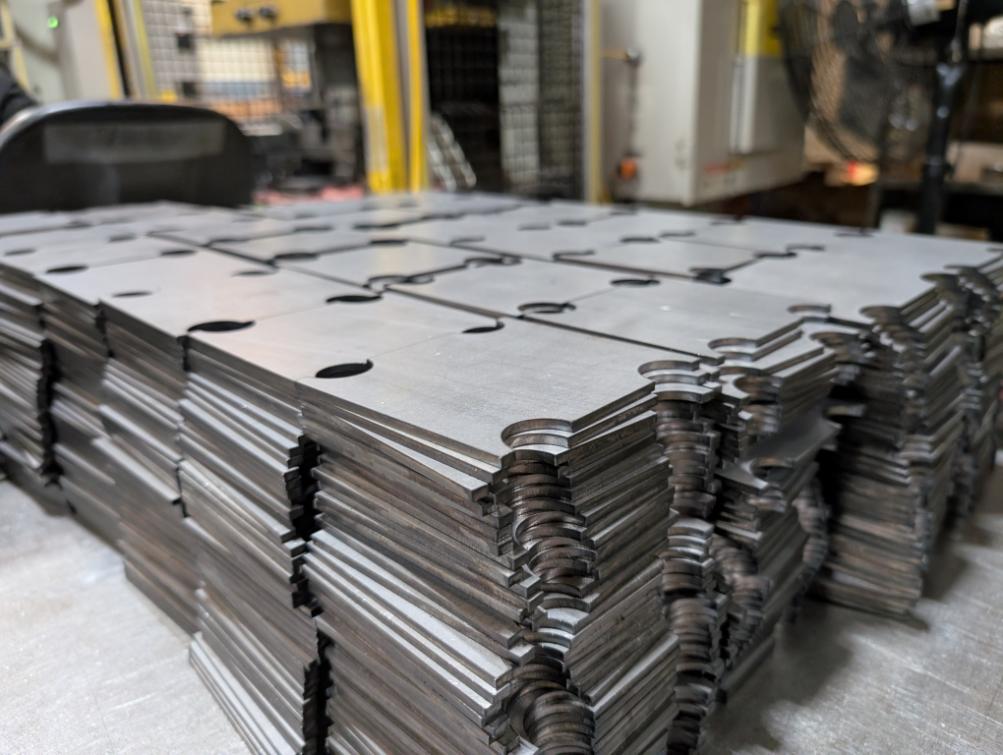
Laser cutting is used first to:
- Create the part shape
- Cut holes and internal features
- Produce blanks ready for further processing
From there, parts may move through additional fabrication steps depending on the design.
Cost Reflects the Full Fabrication Process
Laser cutting is only one part of the total cost.
Depending on the part, additional steps may include:
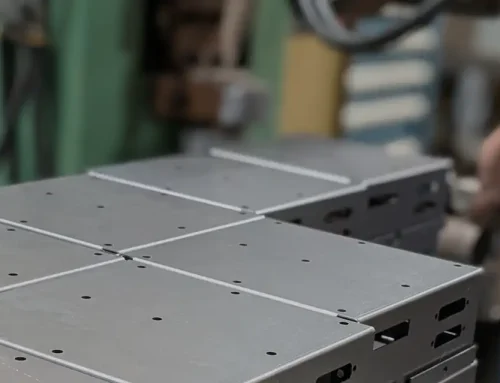
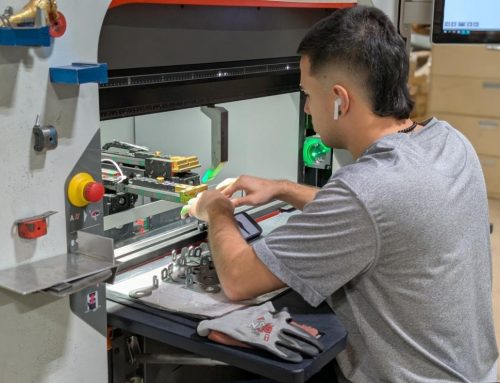
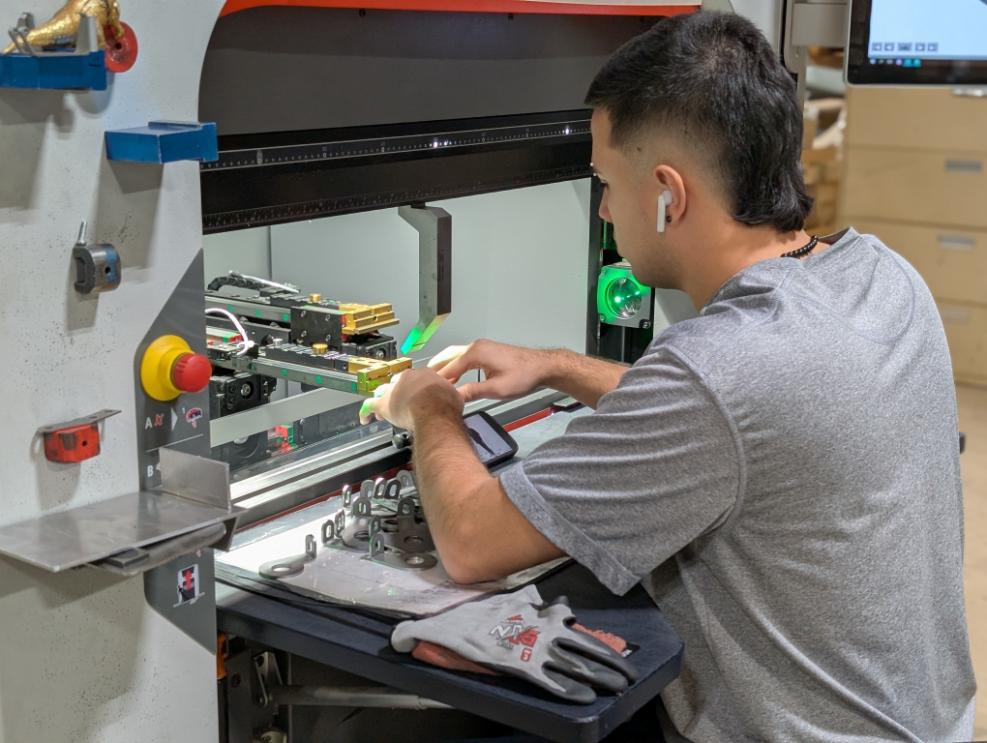
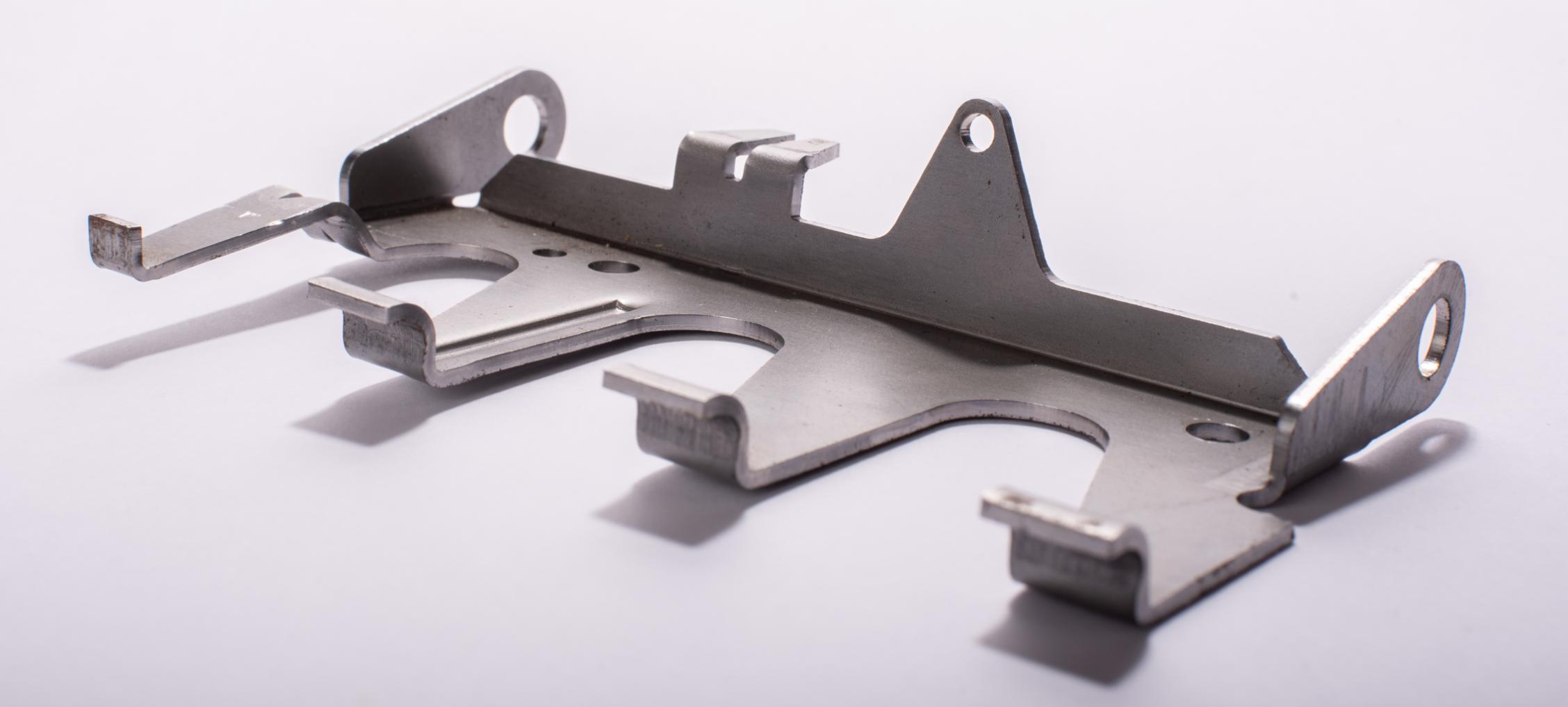
- Forming and bending
- Welding and assembly
In some cases, short-run stamping may also be introduced as a secondary operation when it improves consistency in repeat production.
Each step adds time and handling, which is why cost is evaluated based on the complete production process—not just the initial cut.
Cost Breakdown: Laser Cutting vs Short-Run Stamping
Laser Cutting
- No tooling required
- Fast setup from CAD files
- Efficient for low to medium quantities
- Flexible for design changes
Best for:
- Prototypes
- Short runs
- Parts that may change
Short-Run Stamping
- Uses simple punch and die setups
- Adds setup time
- Supports repeat production
Best for:
- Finalized parts
- Consistent reorders
- Stable production
Stamping is only used when it clearly improves production efficiency—not as a default process.
What Actually Drives Cost
Cost depends on how the part is made—not just which process is used.
- Cutting and Material Use
Material type, thickness, and how efficiently parts are nested on a sheet all affect cost.
- Forming and Bending
Each bend adds time and handling. More complex parts require additional processing.
- Welding and Assembly
Welded parts require additional labor and setup, which contributes to total cost.
- Production Volume and Consistency
Repeat production allows for more efficient workflows. One-off or changing jobs prioritize flexibility.
- Secondary Operations
Short-run stamping is typically only introduced when it improves consistency or efficiency in repeat production.
When Laser Cutting Is More Cost-Effective
Laser cutting is often the better option when:
- Designs are still evolving
- Quantities vary
- Fast turnaround is needed
- Flexibility is important
For many parts, this remains the most efficient long-term solution.
When Stamping May Improve Efficiency
Short-run stamping is typically only considered when:
- The design is finalized
- The same part is reordered consistently
- Production becomes predictable
For example, a part that is reordered regularly in stable quantities may benefit from stamping, while a part that changes frequently is usually better kept as a laser-cut component.
Even then, stamping is only used when it clearly improves production—not simply to reduce piece price.
Common Mistake: Switching Too Early
Introducing stamping too soon can:
- Increase setup cost
- Reduce flexibility
- Add unnecessary complexity
Many parts never move beyond laser cutting, even in repeat production, because it continues to provide the best balance of efficiency and flexibility.
How Fox Valley Stamping Approaches Cost
We don’t ask customers to choose a process.
We look at:
- The part design
- The material
- How often it will be produced
Then we recommend the most efficient approach.
Cost is part of that evaluation—but it’s not the deciding factor. The goal is to produce parts efficiently over time, not just reduce the cost of a single run.
Get Expert Input
Have a part ready?
Send your prints for review. You’ll get clear feedback on how it can be produced along with accurate pricing and lead times. Talk with our team today!